1. Brand Overview
The United States Military Academy (USMA) — often called West Point — is the premier officer‑training institution of the United States Army. Founded in 1802 on the west bank of the Hudson River in West Point, New York, the Academy’s mission is to educate, train, and inspire officers of character for service to the nation.
USMA is renowned not just for military training but for its rigorous academic programs, athletic traditions, leadership development, and enduring values. Its athletes compete as the Army Black Knights in NCAA Division I sports, and its motto — “Duty, Honor, Country” — encapsulates the core principles cadets are expected to uphold.
2. Logo and Emblem History
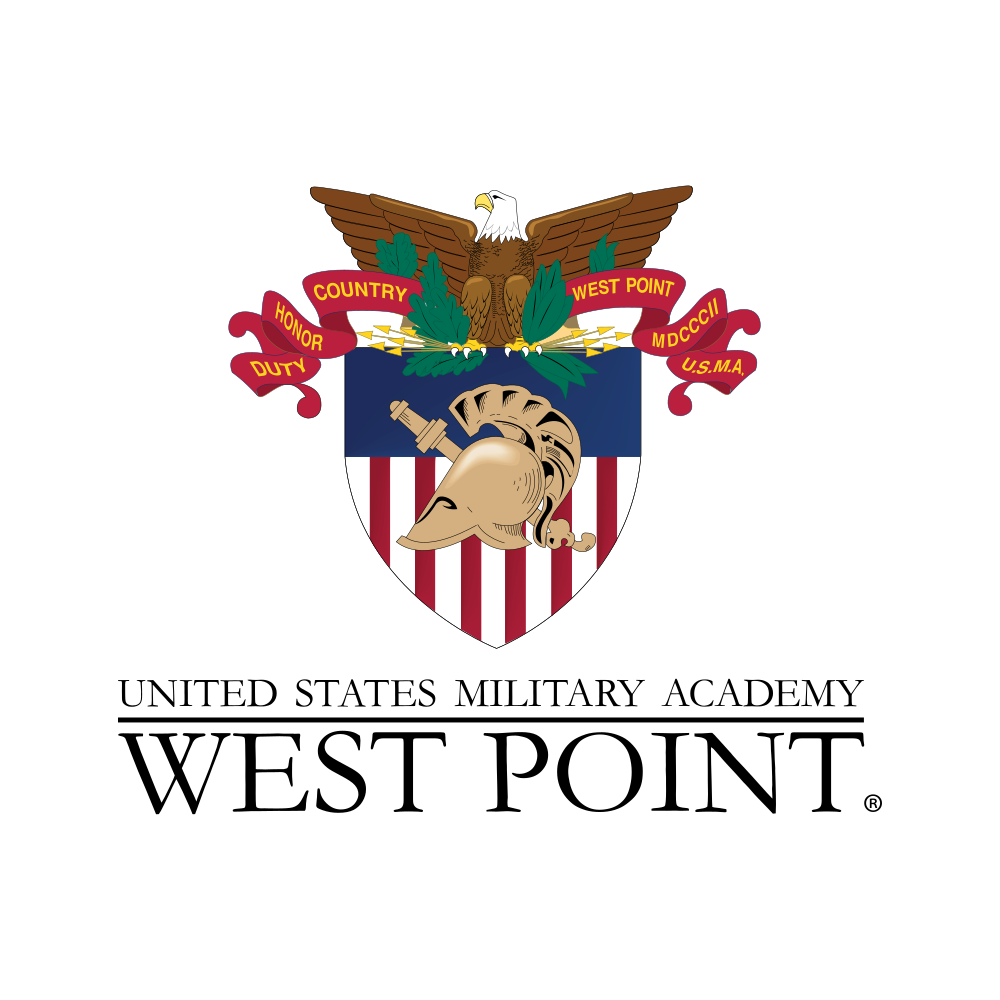
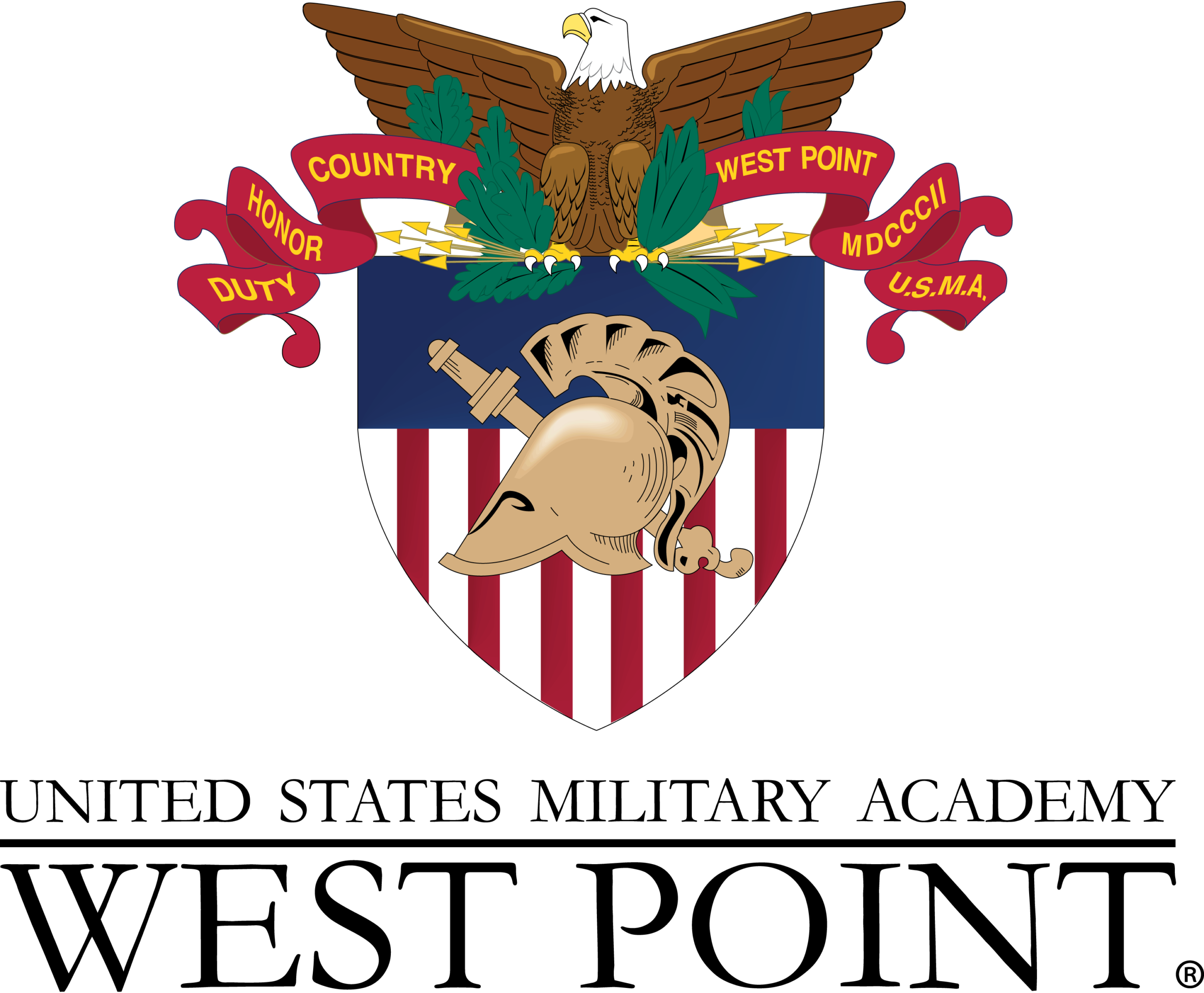
The emblem most often associated with West Point — and what you see in official downloads like the one from PNGLush — typically derives from the USMA coat of arms and seal, which have been in regular use since the early 20th century:
1898 – First Coat of Arms
- West Point adopted a formal coat of arms in 1898, commissioned to reflect the Academy’s national character, military mission, educational purpose, and spirit.
- A committee led by Col. Charles W. Larned designed the original emblem, combining martial and academic symbols such as a sword (war), a helmet of Pallas Athena (wisdom and learning), and the American bald eagle (national identity).
- The motto “Duty, Honor, Country” was included with the emblem as a succinct statement of the Academy’s ideals.
1923 – Standardized Orientation
- Minor revisions, including reversing the direction the eagle and helmet faced, were introduced to align with traditional heraldic conventions. Since then, the coat of arms has remained in regular use.
Modern Usage
- While the Academy has distinctive seal and crest symbols, USMA also uses adapted logo versions for athletics and branding (e.g., the Athena Shield for Army West Point athletics launched in 2015).
3. Logo Design Meaning
The USMA logo (especially in its Coat of Arms form) is rich with symbolic meaning that reflects West Point’s mission and values:
Bald Eagle
- The American bald eagle sits atop the shield, representing the nation West Point serves and the unity of its mission with national defense.
- In its claws, it typically holds elements representing peace and readiness for war — oak and olive branches and, in some versions, arrows — symbols with long heraldic tradition.
Sword and Helmet
- The sword is a universal symbol of military courage and readiness.
- The helmet of Pallas Athena, the Greek goddess of wisdom and strategic warfare, symbolizes military knowledge, discipline, and learning, acknowledging that the Academy is both a military and academic institution.
Shield
- The shield in the logo conveys protection, strength, and defense, consistent with the Academy’s core purpose to prepare leaders capable of defending the nation.
- Heraldically, a shield also reflects the Academy’s longstanding heritage, dating back to the early 19th century.
Motto: “Duty, Honor, Country”
- Though not always included in every logo version, the motto is central to USMA identity. It emphasizes the ethical pillars West Point expects its cadets to internalize and embody throughout military service.
4. Colour and Style
While specific PNG/SVG logo downloads may render the emblem in single or multi‑color styles for web usage, the traditional USMA crest and seal typically incorporate elements like:
- Gold and black — colors traditionally associated with West Point heraldry and military excellence.
- Metallic tones — often used in formal Academy insignia, plaques, and badges to signify tradition and strength.
- Neutral or silhouette versions (black/white) for digital and print adaptability.
Whether used on letterhead, signage, uniforms, or merchandise, the logo’s simplicity and depth make it versatile while maintaining a solemn and authoritative tone.
5. Symbolism and Identity
The USMA logo represents more than visual identity — it embodies the ethos, longevity, and prestige of one of the oldest military academies in the United States:
Leadership and Duty
The symbols underscore West Point’s mission to instill leaders of character who are ready to serve the Army and country with duty and integrity.
Heritage and Tradition
The Academy’s history — dating to 1802 and rooted in early American military needs — contributes to the emblem’s reverence and use in ceremonial contexts.
Academic and Military Fusion
The inclusion of Athena’s helmet reminds cadets and viewers alike that West Point merges academic rigor with military preparation, reflecting a dual commitment to learning and warrior ethos.
6. FAQs (Frequently Asked Questions)
Q: What does the USMA logo represent?
A: The logo — rooted in the Academy’s official coat of arms — symbolizes military strength, wisdom, duty, national service, and leadership development.
Q: What is the motto associated with the logo?
A: “Duty, Honor, Country” — a phrase integral to West Point’s values and historically part of its emblem since 1898.
Q: Where is the United States Military Academy located?
A: At West Point, New York, USA, overlooking the Hudson River.
Q: Why is Athena’s helmet used in the logo?
A: Athena is the Greek goddess of wisdom and warfare; her helmet symbolizes strategic thought and military knowledge, reflecting the Academy’s dual educational and martial mission.
Q: Is the logo used for athletics too?
A: Yes — adapted versions (like the Athena Shield) are used by Army West Point athletic teams, tying the Academy’s heritage to modern sports branding.