United States Navy Logo — Brand Overview
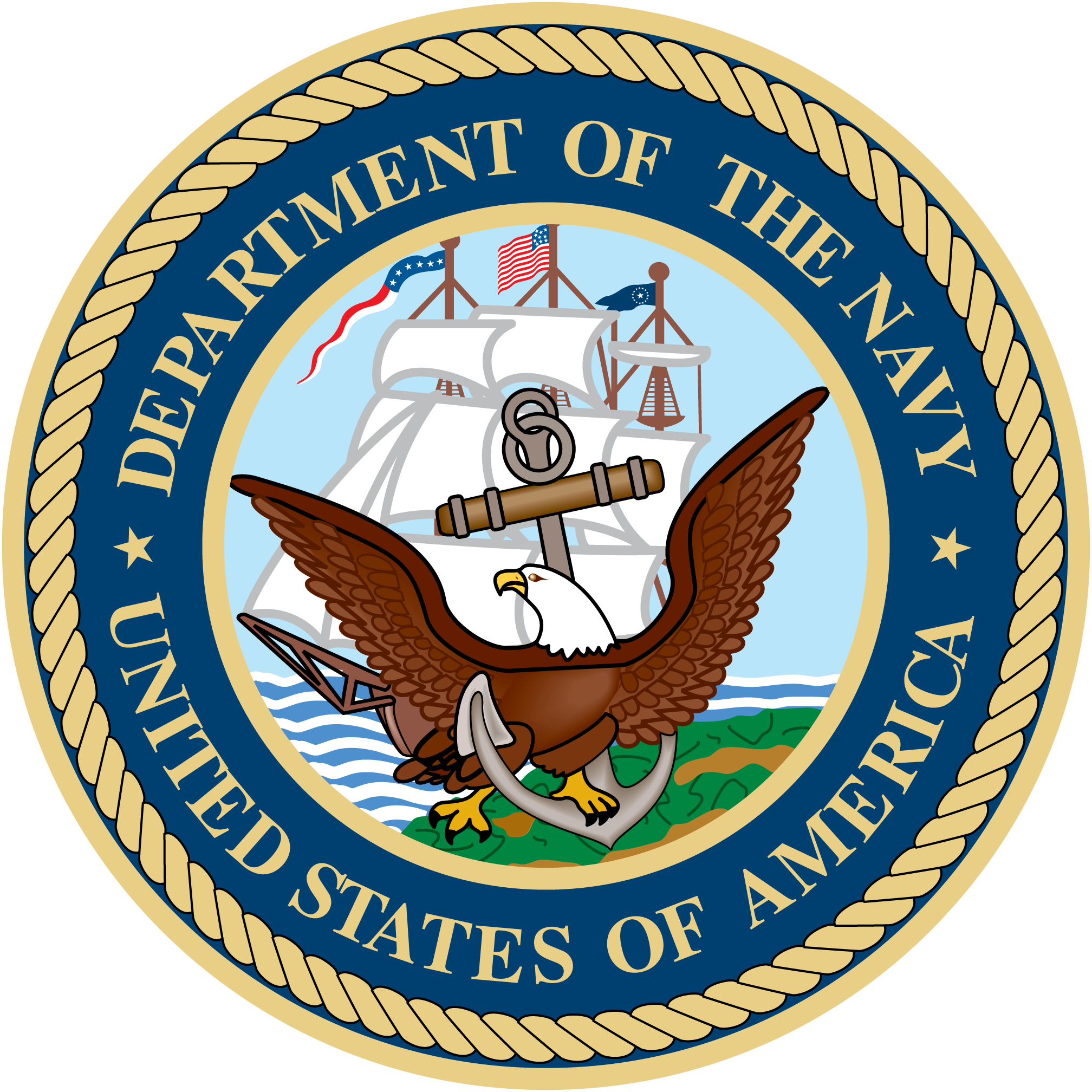
The United States Navy logo is one of the most recognized military emblems in the world — a symbol of maritime strength, national service, and centuries‑long naval tradition. More than just a graphic, it represents the branch of the U.S. Armed Forces entrusted with protecting the seas, defending freedom, and projecting naval power across the globe.
This emblem appears on uniforms, flags, official documents, ships, recruitment materials, and digital media — where it instantly communicates authority, heritage, and dedication. Whether you see it on a recruiting poster or the side of a battleship, its visual identity speaks to courage, vigilance, and service to country.
Logo History
The modern US Navy logo evolved from longstanding naval heraldry that dates back to the birth of the service in 1775.
- Early Origins
The United States created its first naval force during the Revolutionary War. As naval tradition developed, so did its symbols — combining maritime imagery, patriotic iconography, and military heraldry. - 20th Century to Present
Although various seals and devices have been used historically, the form of the emblem recognizable today — featuring bold lettering and a central eagle‑anchor motif — became established officially in the mid‑20th century. It derives from the Navy’s seal and heraldic tradition adopted by the Department of the Navy in the 1950s and ’60s. - Present Day
The logo has endured through decades of naval operations, from World War II and the Cold War to contemporary global missions. Its consistency connects today’s Sailors with generations of those who served before them.
Design Meaning
Every key element in the US Navy logo carries symbolic meaning — blending military history with national identity:
Eagle
At the center, the bald eagle stands with wings outstretched — emblematic of freedom, watchfulness, and readiness. As the national bird of the United States, it signifies the Navy’s commitment to defending the homeland and projecting power wherever it’s needed.
Anchor and Rope
The anchor is a timeless maritime icon — a nod to the Navy’s seafaring mission. Anchored to tradition yet always forward‑looking, it symbolizes strength, stability, and the Navy’s mastery of the oceans. The surrounding rope — often forming the circular border — highlights unity and the interconnected nature of naval operations.
Shield
Often included in the center, the shield reflects defense and national protection. When present, its stripes and colors echo the U.S. flag, reinforcing that the Navy serves as a protector of the nation’s freedoms and interests worldwide.
Typography
Encircling the emblem or integrated into the design is the text “UNITED STATES NAVY” — bold, authoritative, and unmistakable. The font choice communicates professionalism and tradition, mirroring the disciplined character of the service.
Together, these components make the logo not just an identifier, but a narrative: a maritime force rooted in heritage, vision, and an unwavering duty to country.
Color Philosophy
The color scheme of the US Navy logo plays a profound role in what it represents:
- Navy Blue — Symbolizes the sea itself: deep, vast, and powerful. It also reflects authority, competence, and the professionalism of the force.
- Gold — Often used in lettering or accents, gold represents excellence, honor, and distinction. Its brilliant shine suggests high standards and noble service.
- Red & White (when a shield is present) — Echoing the colors of the national flag, these colors reaffirm patriotic commitment and the Navy’s role in defending American ideals.
Overall, the palette doesn’t just look striking — it encapsulates history, mission, and identity in a way that’s instantly recognizable.
Symbolism & Cultural Significance
The United States Navy logo stands as a powerful cultural and institutional emblem:
- Global Presence
The U.S. Navy operates on every ocean, influencing global security, humanitarian missions, and international partnerships. The logo carries that global reach and responsibility. - Tradition & Continuity
Every Sailor who wears the emblem — from recruits to career officers — connects with a lineage that extends back over two centuries. This continuity gives the logo emotional and historical weight. - Public Recognition
Across media and public events, the logo serves as a sign of trust and defense. For many Americans, it’s synonymous with service, sacrifice, and national pride.
Frequently Asked Questions (FAQs)
Q1: What does the US Navy logo represent?
It represents the United States Navy — the maritime branch of the U.S. Armed Forces dedicated to naval warfare, defense, and global maritime presence.
Q2: Why does it often include an eagle and anchor?
The eagle signifies national protection and vigilance, while the anchor symbolizes the Navy’s seafaring mission and strength at sea.
Q3: Are there official colors for the logo?
Yes — navy blue, gold, red, and white are traditionally associated with the emblem, representing authority, honor, and patriotism.
Q4: Is this the same as the Navy’s flag?
They’re closely related. The Navy’s flag incorporates the seal of the Department of the Navy, which shares design roots with the logo and includes similar symbols like the eagle, anchor, and ship motif.
Q5: Where is the logo used?
You’ll see it on official Navy materials, recruitment posters, ceremonies, uniforms, ships, and anywhere the Navy needs to assert identity and heritage.