United Arab Emirates Army Logo – Brand Overview, Logo History, Design Meaning & Color Philosophy
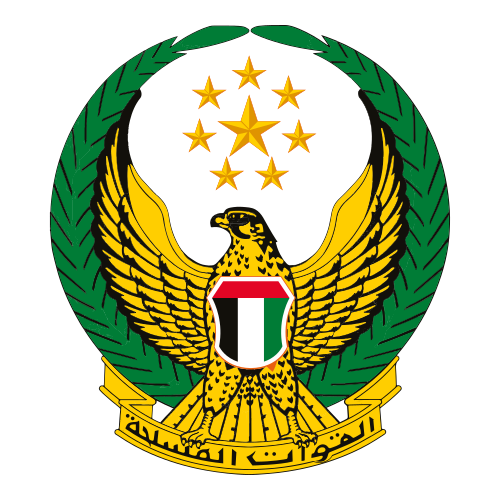
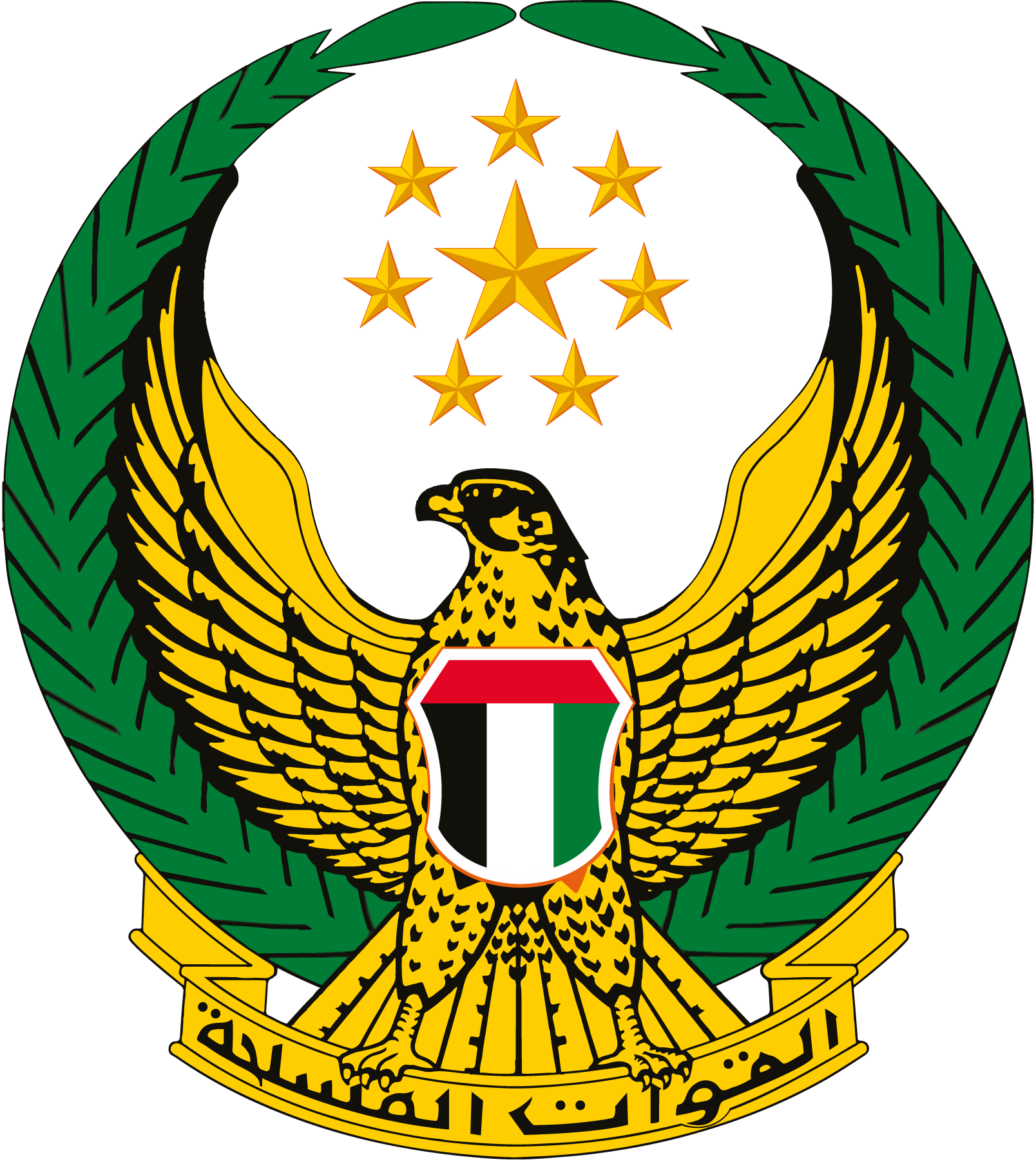
The UAE Army logo is a powerful national symbol representing the land forces component of the United Arab Emirates Armed Forces, a key part of the country’s defense and security apparatus. This emblem conveys military strength, national pride, and institutional authority, and is widely recognized in official military contexts.
Brand Overview
The United Arab Emirates Army — known in Arabic as القوات البرية الإماراتية — serves as the primary ground warfare branch of the UAE Armed Forces. It was established in 1951 and has since evolved into a modern and organized force responsible for protecting the sovereignty and territorial integrity of the United Arab Emirates. The Army operates alongside other branches including air, naval, and joint forces under the broader command of the UAE Armed Forces.
The army’s role includes national defense, multinational peacekeeping, humanitarian support, and participation in international coalitions, reflecting the UAE’s commitment to both regional security and global partnerships.
Logo History
Unlike corporate or consumer brands, military identities such as the UAE Army’s emblem derive from national symbols and heraldic traditions rather than frequent redesigns for commercial purposes. The design reflects both historical continuity and institutional authority.
The Army’s emblem is rooted in the broader symbol system of the United Arab Emirates, drawing from the national emblem, which dates back to its adoption in 1973 and was later refined. The UAE Army’s specific crest incorporates elements from this national emblem, adapted with military‑focused features to denote strength and service.
Design Meaning
The UAE Army logo combines several symbolic elements that reflect the values and identity of the national military:
1. The Falcon (Hawk of Quraysh)
Central to the logo is a golden falcon with wings spread wide, a symbol borrowed from traditional Arab heraldry and the national emblem of the United Arab Emirates. This falcon — sometimes referred to as the Hawk of Quraysh — represents:
- Strength and vigilance: a powerful bird of prey known for keen sight and force.
- Cultural heritage: reflecting historical ties to Arab identity and unity.
- Guardianship: the falcon protects the shield and, by extension, the nation’s sovereignty.
2. Shield with National Colors
The falcon typically perches on a shield that carries the colors of the UAE flag — red, green, white, and black — symbolizing:
- Unity of the Emirates: each color reflects shared values and the federation’s composition.
- Protection: the shield stands for defense and resilience.
3. Olive Wreath or Circular Elements
Surrounding the falcon is often a wreath or circular framing in green tones, representing:
- Peace and prosperity: a military committed to defense but oriented toward stability and peace.
- Continuity and unity: the circle is a universal symbol of continuity and cohesion.
4. Stars and Military Motifs
Above or around the main emblem, stars or additional military motifs may appear, symbolizing:
- Achievement and excellence in service.
- Rank and distinction within the armed forces hierarchy.
5. Banner with Text
Many versions include a ribbon or banner beneath the emblem, usually containing Arabic text identifying the force (القوات المسلحة الإماراتية for the UAE Armed Forces or similar phrasing for the Army).
Color Philosophy
The colors used in the UAE Army logo carry deep symbolism and practical design significance:
1. Gold
Gold evokes:
- Prestige and honor: befitting a national institution dedicated to service.
- Historical continuity: resonating with cultural heritage and leadership.
2. National Flag Colors (Red, Green, White, Black)
These colors reflect the United Arab Emirates flag, symbolizing:
- Red: courage and sacrifice.
- Green: growth, vitality, and prosperity.
- White: peace and honesty.
- Black: strength and dignity.
Using national colors reinforces the Army’s identity as a protector of the nation and aligns the military symbol with wider national pride and unity.
3. Neutral Background (Often White)
A light or white background in official representations enhances:
- Contrast: making the emblem’s elements stand out clearly.
- Formal presence: orderly and professional presentation in documents and signage.
Why the Logo Works
The UAE Army logo succeeds as a strong institutional emblem because it:
- Represents National Identity: It draws from the UAE’s national emblem and flag colors, making it instantly recognizable as a symbol of state authority.
- Conveys Strength and Protection: The falcon, shield, and wreath communicate defense, vigilance, and readiness — core military values.
- Balances Tradition and Modernity: Its elements are rooted in cultural heritage while serving contemporary branding and symbolic functions.
- Works Across Formats: The clear composition allows it to be used on uniforms, buildings, official documents, digital media, and ceremonial materials.
Frequently Asked Questions (FAQs)
What does the UAE Army logo represent?
It represents the United Arab Emirates Army — the land forces branch of the country’s military — conveying national defense, military strength, and institutional identity.
Has the logo changed over time?
The emblem’s core visual elements — based on the UAE national emblem — have remained consistent, with refinements made for modern usage rather than complete redesigns.
Why is a falcon used in the logo?
The falcon (Hawk of Quraysh) is a traditional Arab symbol of courage, strength, and vigilance and forms a central part of the UAE’s national emblem.
What do the colors mean?
Gold signifies prestige, while the national flag colors — red, green, white, and black — symbolize courage, growth, peace, and strength respectively.
Can the logo be used in different formats?
Yes. The emblem’s structure makes it suitable for digital interfaces, uniforms, printed materials, signage, and formal military communications.
Final Thoughts
The UAE Army logo is more than a military insignia — it’s a visual embodiment of national pride, cultural heritage, and military commitment. Through its use of traditional symbols like the falcon, national colors, and structured design, the emblem communicates a blend of strength, guardianship, and unity. Whether you’re studying national symbols, designing contextual materials, or simply exploring military emblems, understanding the logic behind this logo reveals how visual identity supports purpose, perception, and meaning in national institutions.