1. Organization Overview
The National Police of Colombia (Policía Nacional de Colombia) is the official civilian police force of the Republic of Colombia. It was established on 5 November 1891 and operates nationally under the Ministry of Defense, with the mission of maintaining public order, protecting citizens’ rights, and contributing to peace and social coexistence throughout the country. Its motto is “Dios y Patria” (translated as “God and Fatherland”).
The institution is one of the most visible arms of the Colombian state, involved in law enforcement, public safety, community policing, crime prevention, and national security. Because of its long history and broad societal role, its visual identity — especially its emblem — reflects deeply ingrained values of authority, service, honor, and national unity.
2. Logo / Emblem History
Unlike many commercial brands, the Policía Nacional’s logo isn’t about changing stylistic trends — it’s part of a formal institutional identity rooted in government and military symbolism. The emblem (also referred to as the escudo or shield) is standardized and regulated as part of the force’s official identity.
The logo’s core elements draw heavily from national heraldry and are designed to communicate the authority and legitimacy of the state in maintaining public order. These symbols are consistent with other national emblems used across Colombian government institutions.
3. Logo Design Meaning
The Policía Nacional de Colombia’s emblem is rich in traditional symbols conveying duty, national service, and institutional values. Here’s a breakdown of its major visual elements:
Central Shield & National Identity
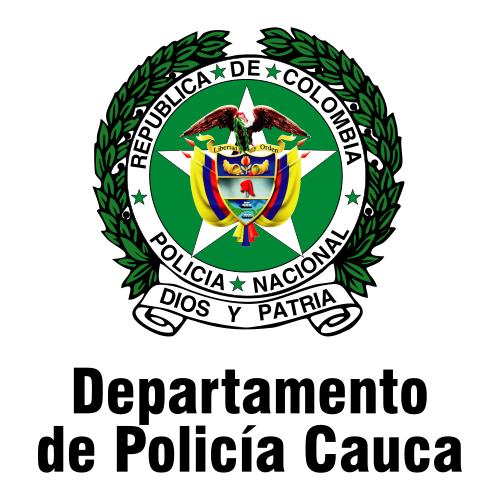
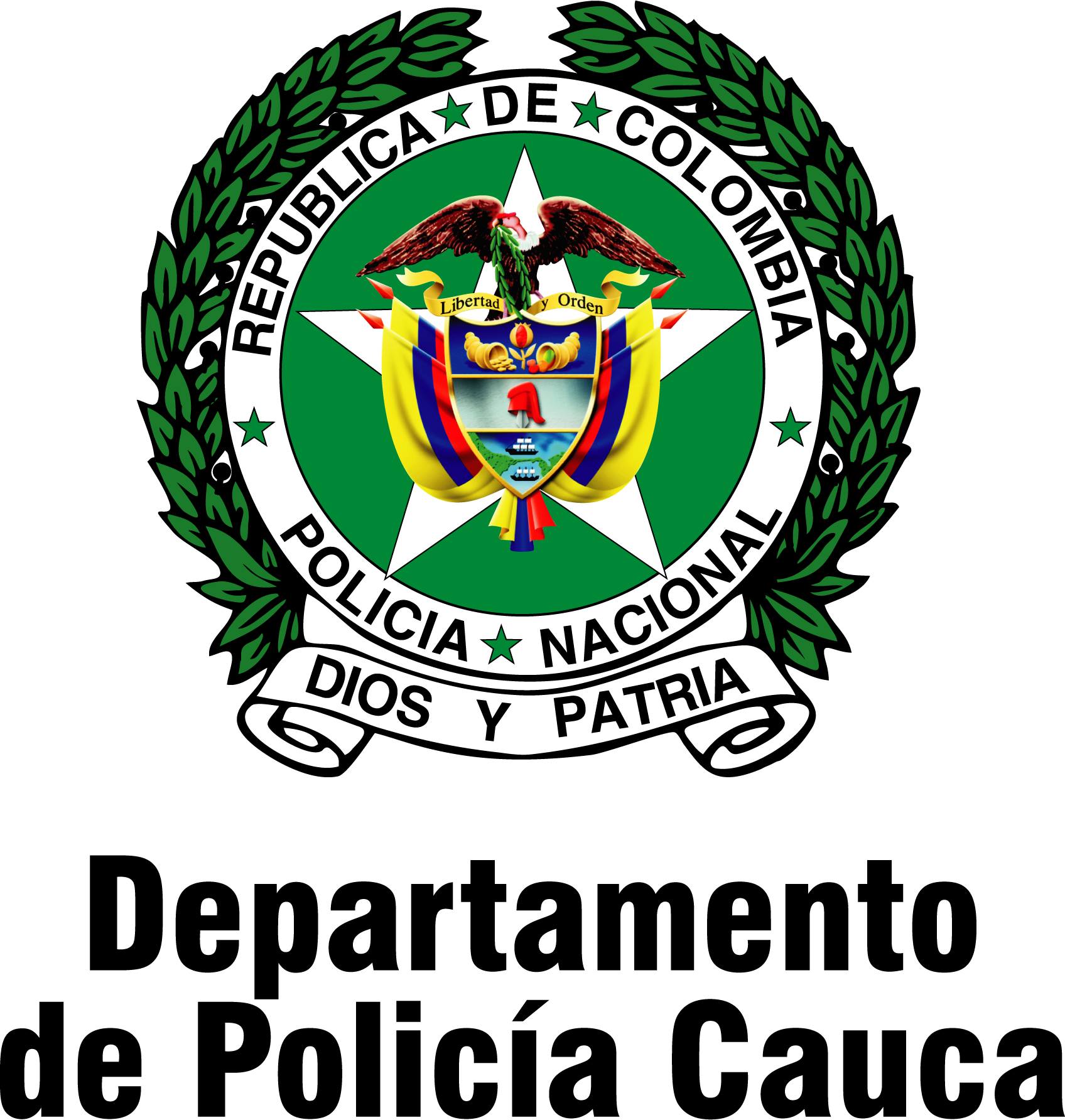
At the heart of the logo is the national shield of Colombia, which shows colors and motifs derived from the Colombian flag (yellow, blue, and red). This links the police logo directly to the nation itself — symbolizing loyalty to the country and service to all citizens.
Star
Above the national shield is a five‑pointed star, positioned at the center of concentric circular bands. This star represents guidance, vigilance, and the strategic role of the police as a guiding force for public security.
Laurel Wreath
Surrounding the central shield and star is a laurel wreath, a classical symbol of victory, honor, and achievement. In the police context, it reflects the continual commitment to protect freedom and maintain peace.
Text Bands (“República de Colombia” & “Policía Nacional”)
Encircling the emblem are the phrases “República de Colombia” and “Policía Nacional”, typically written in capital letters within circular bands. These explicitly situate the police force within the nation’s institutional framework, reinforcing legal authority and civic responsibility.
Motto: “Dios y Patria”
Beneath or incorporated within the emblem is the phrase “Dios y Patria” — meaning “God and Fatherland.” This motto highlights core values that the institution claims: faith, duty, national service, and unity.
4. Color Philosophy
The colors in the logo are largely drawn from colours of the Colombian flag and associated traditional meanings:
- Yellow — Symbolizes honor, justice, and the richness of Colombian values.
- Blue — Represents loyalty, vigilance, and trustworthiness, vital traits for public security forces.
- Red — Conveys fortitude, bravery, and sacrifice in service to the nation.
- Green (in the laurel wreath) — Symbolizes hope, peace, and long‑lasting victory.
- White background elements — Represent purity, peace, and ethical service.
Together, these colors reflect not only national identity but also the institutional ideals the police are expected to uphold.
5. Symbolic Significance and Institutional Meaning
The Policía Nacional logo serves multiple symbolic purposes:
- Authority & Protection: The central shield and star represent the police’s role as the protector of public safety and the rule of law.
- National Unity: Incorporating the national colors and emblems aligns the police institution with the Republic of Colombia itself, signaling that the force is a foundational arm of the state.
- Honor & Duty: The laurel wreath and elements like “Dios y Patria” emphasize honor, discipline, and dedication to service.
- Tradition & Heritage: The emblem connects contemporary policing to historical and cultural legacies, grounding the force’s modern operations in longstanding Colombian identity and state symbolism.
6. Usage and Brand Placement
The Policía Nacional logo appears in many official and ceremonial contexts, including:
- Official uniforms and badges
- Police vehicles and buildings
- Government documents and identification cards
- Flags and ceremonial banners
- Public campaigns, outreach materials, and digital platforms
Its consistent usage maintains uniformity, reinforces legitimacy, and serves as a mark of government authority.
7. FAQs (Frequently Asked Questions)
Q: What does the Policía Nacional de Colombia logo represent?
A: It symbolizes authority, national service, protection, and the commitment of the police force to uphold law, order, and public safety for the nation.
Q: What is the meaning of the motto “Dios y Patria”?
A: Translated as “God and Fatherland,” it reflects the foundational values of faith, national duty, and service embedded in the institution’s identity.
Q: Why are the national colors used in the emblem?
A: Incorporating colors from the Colombian flag (yellow, blue, and red) ties the police institution directly to the Republic of Colombia, signaling loyalty and unity.
Q: What do the laurel wreath and star signify?
A: The laurel wreath represents honor and achievement, while the star represents vigilance and leadership in protecting the public.
Q: When was the Policía Nacional founded?
A: The force was founded on 5 November 1891 and has since evolved into the main civilian law enforcement agency in the country.