Organization of American States (OEA) Logo – Brand Overview, Logo History, Design Meaning & Color Philosophy
The OEA logo (often seen as the Spanish acronym for the Organization of American States) is a powerful emblem representing unity, cooperation, and shared democratic values across the Americas. Whether you’re downloading the OEA logo in PNG or SVG format for research, design, or educational purposes, understanding the history and meaning behind it gives deeper insight into how visual identity supports the mission of an international institution.
This article explores the OEA’s brand background, logo evolution, its symbolic design elements, and the thoughtful use of color that reinforces its global identity.
Brand Overview
Founded with the purpose of promoting peace, justice, solidarity, and collaboration among the countries of the Western Hemisphere, the Organization of American States (OEA) is a regional intergovernmental organization that includes nations from North, Central, and South America, as well as the Caribbean.
The OEA’s work spans a wide range of areas:
- Democratic governance
- Human rights
- Social and economic development
- Security cooperation
- Cultural exchange and education
By facilitating dialogue and joint action, the OEA seeks to strengthen democratic institutions, support human rights, and foster prosperity throughout the Americas. The logo is a visual expression of these ideals — representing unity, cooperation, and diversity among member states.
Logo History
The OEA logo has evolved over time to reinforce its international presence and diplomatic purpose.
Early Representation
In the organization’s early decades, visual marks were often formal seals or emblems reflecting its institutional nature. These were designed with traditional graphical elements associated with diplomatic entities — emphasizing formality and gravitas.
Modern Identity
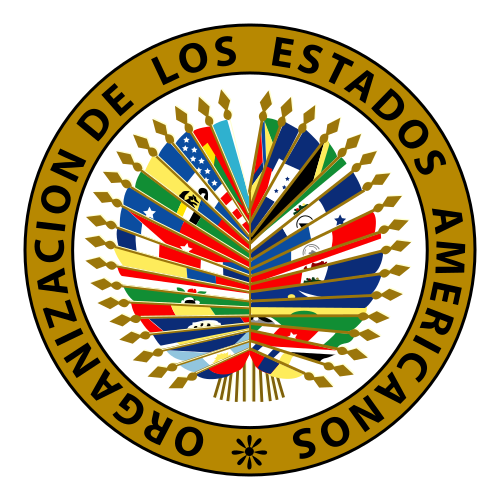
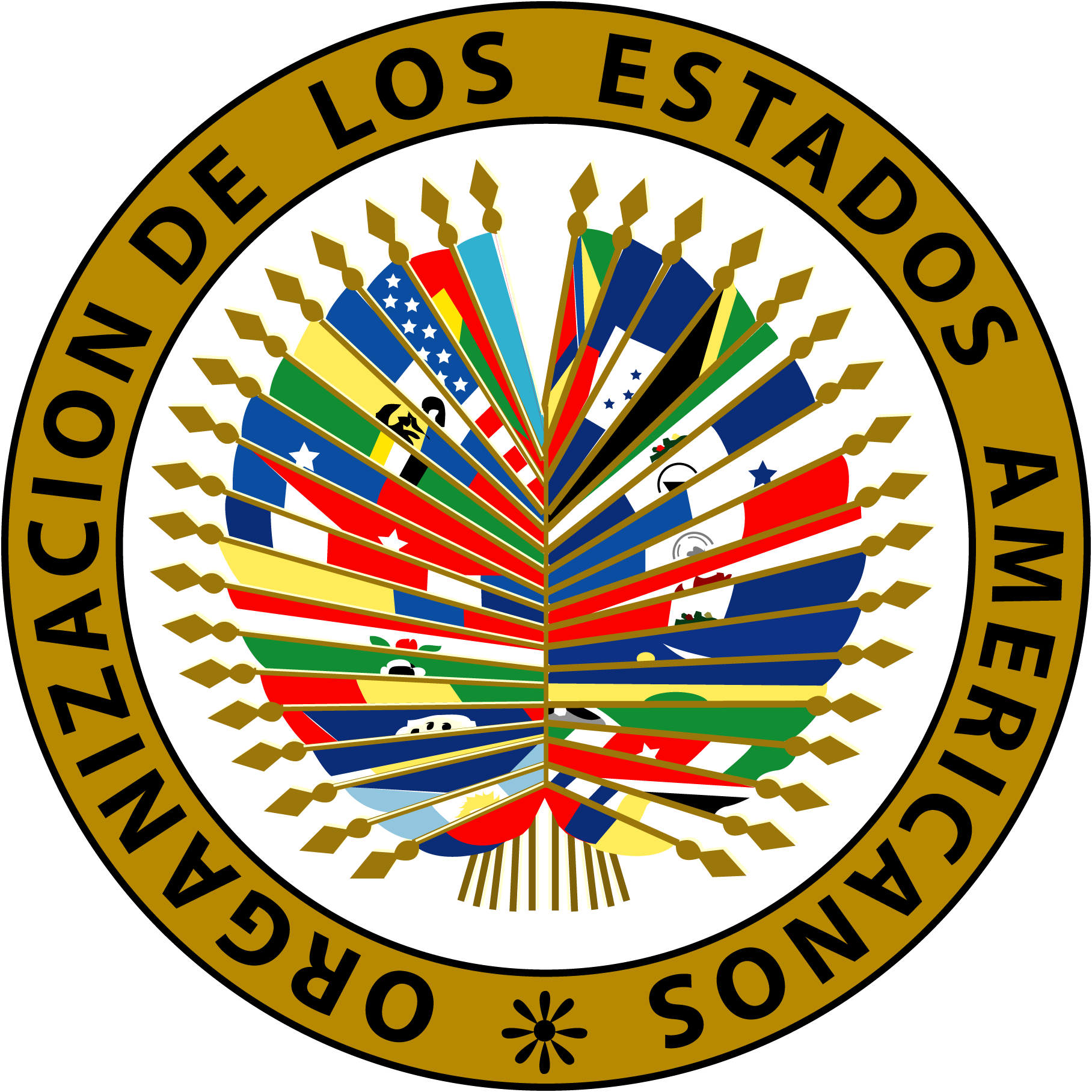
As the OEA expanded its outreach and adapted to digital communication environments, its logo became more stylized and simplified, focusing on clear symbolism and international recognition. The modern OEA logo typically features:
- A circle containing multiple elements that reflect member unity
- Representations of flags or colors of member states arranged in a structured way
- A clean wordmark or acronym
This evolution mirrors a broader trend among global institutions to create visual identities that are both symbolic and versatile for digital, print, and environmental branding.
Design Meaning
Every part of the OEA logo carries symbolic meaning that reflects the organization’s purpose and values.
1. Circular Structure
The circular design, often central to the logo, represents:
- Unity among member states
- Continuity and cooperation
- Equality — with no beginning or end in the design
This form reinforces the idea that all member states stand together in a shared mission.
2. Multi‑Segment Arrangement
Within the circle, you’ll often find numerous colored segments or shapes, each representing:
- Individual member nations
- Diversity of cultures, languages, and traditions
- Equal participation within the organization
The balanced distribution of shapes emphasizes that no single member dominates — all contribute to collective purpose.
3. Wordmark / Acronym
In versions that include text, the acronym “OEA” or the full organizational name is rendered in clean, professional typography. The typeface communicates:
- Clarity
- Approachability
- Institutional seriousness
Together, these design elements reflect a cohesive visual identity tied directly to the OEA’s mission of regional cooperation and shared values.
Color Philosophy
Color in the OEA logo plays an important role in conveying emotional and cultural meaning.
Spectrum of Member Colors
The multiple colored segments often reflect a broad palette, symbolizing:
- Cultural diversity
- Geographic variety
- Unity through difference
Using a wide range of colors reinforces the idea that the OEA is not a single‑nation entity, but rather a collective of distinct countries working together.
Balance and Harmony
Though diverse in hue, the colors are carefully arranged so that no single color dominates. This creates:
- Visual harmony
- Balance across the design
- An impression of cooperation rather than competition
Such balance is symbolic of the OEA’s guiding principles: collaboration, dialogue, and mutual respect.
Contrast and Accessibility
The careful use of contrast ensures:
- Legibility in digital and print formats
- Recognition at small sizes (e.g., icons, stationery)
- Clear visibility in large formats (e.g., signage, event banners)
This functional approach to color ensures the logo maintains its integrity across diverse media environments.
Why the Logo Works
The OEA logo succeeds because it visually reflects the organization’s core purposes:
- Unity: The circular motif symbolizes collective strength and continuity.
- Diversity: Multiple colors and segments represent the many cultures and countries of the Americas.
- Institutional Authority: Clean typography conveys seriousness and clarity appropriate for an international organization.
- Versatility: The logo scales well across digital, print, and environmental brand touchpoints.
Because it synthesizes complex ideas into a simple, recognizable shape, the OEA logo operates effectively as both a diplomatic symbol and a modern brand identity.
Frequently Asked Questions (FAQs)
What does the OEA logo represent?
The OEA logo represents unity, cooperation, and shared values among the member states of the Organization of American States. Its design emphasizes equality and diversity through balanced colors and shapes.
Has the OEA logo changed over time?
Yes. The logo has evolved from traditional, formal seals to a modern, simplified identity that works well across digital platforms, print, and institutional communications while retaining symbolic meaning.
Why are multiple colors used in the logo?
Multiple colors symbolize the cultural and geographic diversity of the member nations. The careful arrangement of colors reinforces harmony, collaboration, and collective identity.
Can the logo be used openly?
The OEA logo is a registered emblem of an intergovernmental organization. Its use is governed by specific brand and legal guidelines, especially for official, promotional, or commercial purposes.
Why is the circle shape significant?
The circle represents unity, continuity, and equality — key values in the organization’s mission to promote collaborative development and dialogue across the Americas.
Final Thoughts
The OEA logo is more than a graphic — it’s a symbol of regional cooperation, cultural diversity, and shared democratic values. Through thoughtful design choices, harmonized colors, and balanced geometry, the logo communicates both the identity and mission of a major international institution.