
LinkedIn Logo – Brand Overview, History, Design Meaning & Color Philosophy
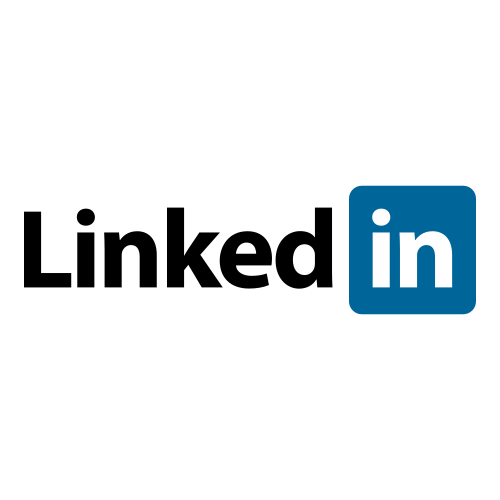
The LinkedIn logo is one of the most recognizable symbols in the world of professional networking and business communication. Whether you’re downloading it in PNG or SVG format or simply curious about its visual language, understanding the history and meaning behind the logo offers insight into LinkedIn’s role in shaping how professionals connect, interact, and build careers in the digital age.
Brand Overview
LinkedIn is the world’s largest professional network platform, built to connect people based on skills, careers, industries, and shared interests. Launched in 2003, LinkedIn was created to help professionals find jobs, share knowledge, and expand their business relationships. Over time, it evolved into a multifaceted platform where users can publish content, showcase work portfolios, apply for jobs, develop personal brands, engage in professional communities, and follow companies.
The platform’s mission centers around connecting the world’s professionals to make them more productive and successful. It serves individuals, recruiters, enterprises, and educators alike, making it a pivotal tool in the careers of millions globally.
The logo is a visual anchor of this mission — a symbol users instantly associate with professional identity, career growth, and global networking.
Logo History
Over the years, the LinkedIn logo has evolved in form and style, reflecting the company’s growth and maturation.
Early Days
In its early years, LinkedIn used a fairly straightforward wordmark logo with standard typography. Simplicity was key, as the brand focused on building familiarity and trust among users who were new to social networking in a professional context.
Introduction of the “in” Icon
As the platform grew, LinkedIn introduced a distinctive badge — the lowercase “in” enclosed within a rounded square. This component became especially important in digital environments, where it served as a recognizable app icon and shortcut across devices.
The separation of the wordmark from the icon allowed for flexible branding; the “in” badge could be used independently in mobile applications, browser tabs, and social media avatars, while the full wordmark appeared in larger formats like websites, signage, or print materials.
Refinements Over Time
Throughout its evolution, the LinkedIn logo has remained grounded in clean, professional typography and straightforward design. Occasional refinements have updated letter spacing, proportions, and color density. However, the core elements — the bold “Linked” text, the distinctive “in” badge, and the overall professional tone — have stayed consistent.
Today’s version of the logo balances clarity and versatility, making it effective for both digital and physical media while preserving its association with professional networking.
Design Meaning
The LinkedIn logo is designed with intention and purpose — every element conveys meaning aligned with the brand’s mission.
Wordmark (Full Name)
The full LinkedIn wordmark emphasizes:
- Clarity and professionalism: The typography is bold, modern, and easy to read, conveying confidence and credibility.
- Approachability: Despite its business focus, LinkedIn aims to be user‑friendly and welcoming, which is reflected in its clean, balanced lettering.
- Global Relevance: The straightforward wordmark transcends cultural boundaries, making it suitable for international audiences.
Rounded “in” Icon
The distinctive lowercase “in” within a solid shape serves several purposes:
- Recognition at Small Sizes: It functions perfectly as a mobile app icon or favicon where space is limited.
- Brand Symbolism: The simplicity of the “in” captures the essence of being “in the network” — part of a connected professional community.
- Visual Consistency: The rounded square and compact design ensure the icon stands out in digital interfaces.
By combining a professional wordmark with a simple but memorable icon, LinkedIn achieves a dual identity that works seamlessly in both large and small formats.
Color Philosophy
Color plays a key role in the LinkedIn logo’s visual impact and meaning.
Primary Blue
The most noticeable color in the LinkedIn logo is a distinct shade of blue. This color choice reflects:
- Trust and Security: Blue is commonly associated with stability, reliability, and professionalism — qualities important to a professional networking platform.
- Calm Confidence: The blue tone conveys assurance without overwhelming or aggressive aesthetics.
- Brand Consistency: LinkedIn has maintained blue as its signature color throughout its history, reinforcing recognition and continuity.
Clean Contrast
The logo typically features crisp white text set against the blue backdrop or vice versa. This high contrast makes the logo easily legible in both digital and print contexts.
Adaptability
Depending on placement, the logo may be presented in:
- Full‑color versions (blue and white)
- Monochrome versions (all white or all black) for use on varied backgrounds
- Simplified icon forms for digital or small‑scale applications
The consistent use of blue as the primary brand color ensures the logo aligns with LinkedIn’s professional identity.
Why the Logo Works
The success and longevity of the LinkedIn logo come down to several strengths:
- Clear Professional Tone: The design communicates seriousness without feeling outdated.
- Versatility: Both the full wordmark and the compact “in” icon work across platforms and devices.
- Memorability: The simplicity and clean structure make the logo recognizable even at small sizes.
- Emotional Association: Users quickly associate the logo with career growth, networking, and professional credibility.
This combination of functional flexibility and emotional connection makes the LinkedIn logo effective and enduring.
Frequently Asked Questions (FAQs)
What does the LinkedIn logo represent?
The LinkedIn logo represents professional identity, networking opportunities, career growth, and business connection. The “in” icon symbolizes being part of a professional community.
Has the LinkedIn logo changed over time?
Yes. The logo has been refined over the years as the platform evolved, but its essential elements — the full wordmark and the “in” icon — have remained consistent.
Why does LinkedIn use blue?
Blue conveys trust, stability, and professionalism, which aligns with LinkedIn’s mission as a platform for professional networking.
Can the “in” icon be used independently?
Yes. The rounded “in” symbol serves as a distinct brand mark useful for digital applications, mobile icons, social graphics, and avatars.
Is the LinkedIn logo trademarked?
Yes. The logo is trademarked by the company and is protected as part of its brand identity. Unauthorized commercial use is not permitted without permission.
Final Thoughts
The LinkedIn logo is an excellent example of effective brand design: simple, versatile, and deeply aligned with the company’s mission. It communicates professionalism, connectivity, and trust while remaining accessible and instantly recognizable around the world.