🌱 Brand Overview
Garden of Life is a prominent health and wellness supplement brand specializing in whole‑food‑based vitamins, probiotics, minerals, protein powders, and functional nutrition products. The company’s mission is to “Empower Extraordinary Health” by creating formulas rooted in real, nutrient‑dense foods.
Founded in 2000 by Jordan Rubin, Garden of Life emerged from his personal journey toward holistic health after overcoming severe illness through diet and natural nutrition. That experience shaped the brand’s foundational philosophy: that optimal health comes from real, organic food sources rather than synthetic or highly processed substances.
Headquartered in Palm Beach Gardens, Florida, USA, Garden of Life has grown to become a leading name in organic and clean supplements, emphasizing traceability, sustainability, and purity.
In 2017 the brand was acquired by Nestlé Health Science, expanding its global reach while maintaining its focus on organic, non‑GMO products.
🎨 Logo History & Evolution
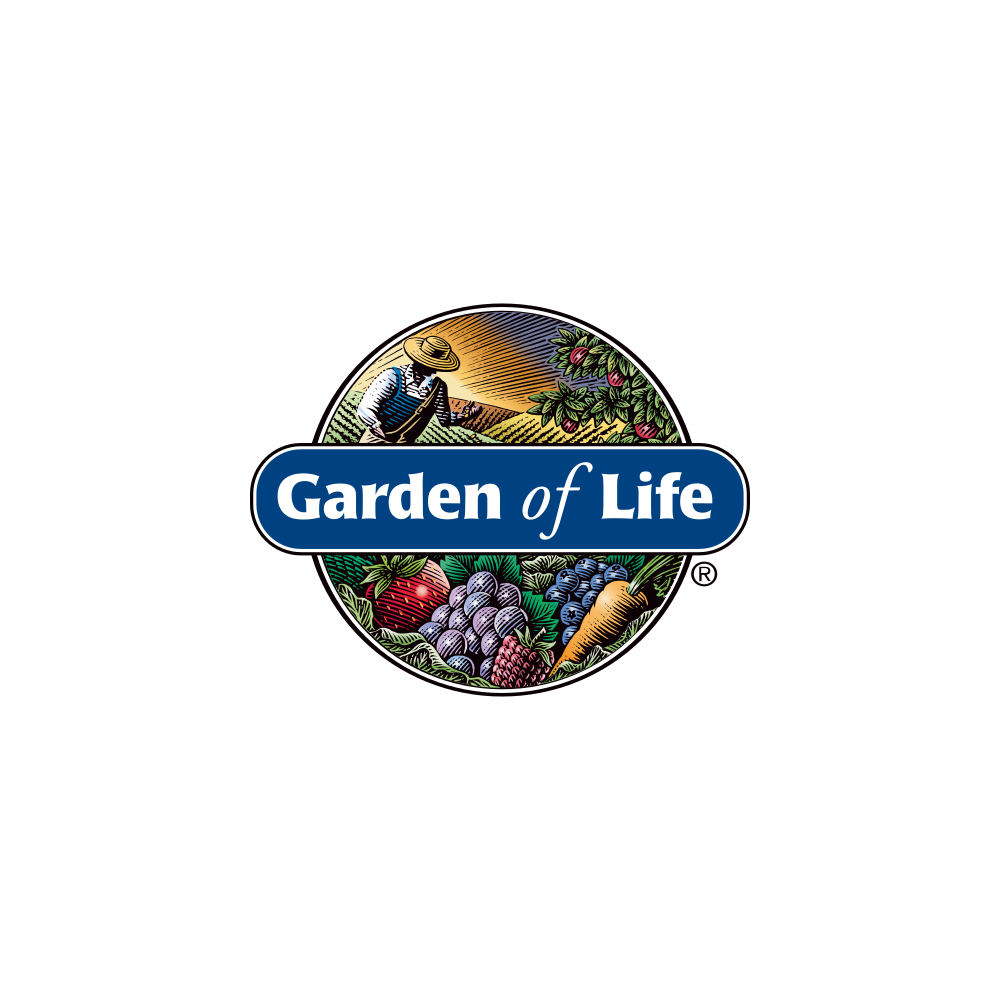
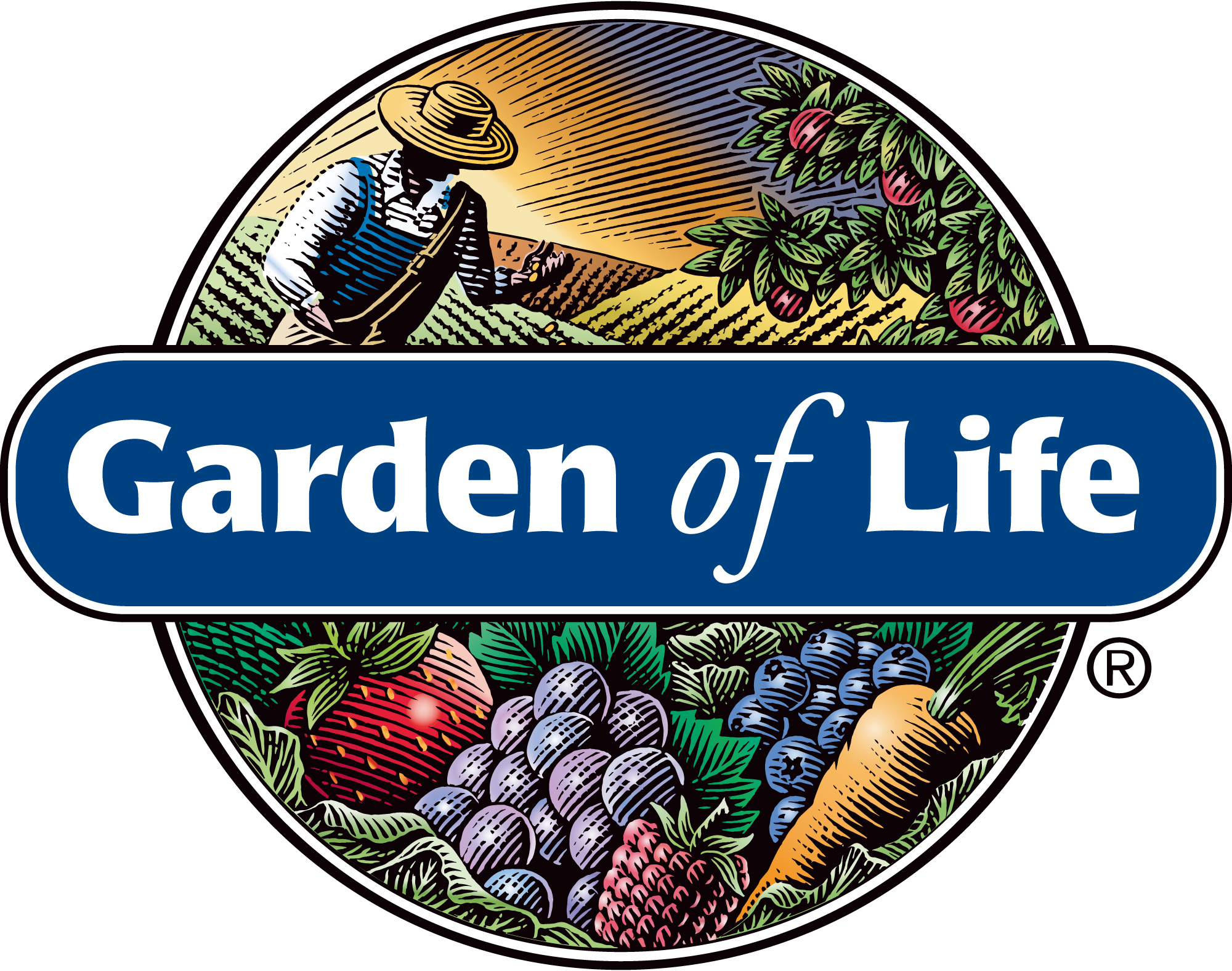
Unlike many minimalist modern logos, the Garden of Life logo is detailed, illustrative, and purposefully designed to communicate the company’s values visually.
From its early days, the logo has embodied ideas of abundance, natural cultivation, and holistic nutrition. The circular emblem has remained a constant — a symbol that resonates with the idea of completeness, health, and nature’s cycle.
Over time, the logo’s use of organic imagery — richly detailed fruits, vegetables, and farming elements — became central to the brand’s recognition among health‑focused consumers. This visual style distinguishes Garden of Life from more sterile supplement logos, reinforcing its “whole food first” ethos.
🧭 Logo Design Meaning
The Garden of Life logo is rich and symbolic, crafted to illustrate the brand’s values visually and emotionally.
🟢 Circular Composition
The circular shape of the logo represents wholeness, harmony, and the natural cycle of life — echoing the brand’s holistic philosophy that health comes from nature’s complete systems rather than isolated nutrients.
🌾 Harvest Imagery
Inside the circle:
- A farmer figure tending fields sits at the top, symbolizing diligence, care, and a hands‑on approach to nutrition.
- Below, a bountiful array of fruits, vegetables, grains, and produce conveys abundance, nourishment, and a connection to wholesome food sources.
This scene suggests that Garden of Life products are rooted in real, organic food — not synthetic laboratory formulations — aligning with the idea of nutrition as nature intended.
🪴 Typography
The name Garden of Life typically appears across the emblem on a contrasting banner. The mix of serif and elegant script (sometimes shown in illustrations of the logo) conveys both reliability and a personal, human touch, reinforcing trust and quality.
🌿 Natural Symbolism
Overall, the logo reflects:
- Growth — healthy plants and produce
- Abundance — plentiful natural nutrients
- Tradition — farming and earth‑based practices
- Wellness — completeness of whole food nutrition
The overall visual story is one of food‑first health, rooted in nature rather than chemistry.
🌈 Color Philosophy
The color choices in the Garden of Life logo also convey specific brand ideals:
- Earthy Greens & Browns: Symbolize nature, soil, and plant‑based nutrition — grounding the brand in agricultural authenticity.
- Rich Fruit Tones (reds, purples, oranges): Evoke freshness, vitality, and wholesome energy.
- Blue Accents: Often used in the textual banner to convey trust, quality, and stability.
- White or Neutral Backgrounds: Highlight purity, simplicity, and an uncluttered approach to health.
These color choices reinforce a natural, organic, and lively identity — appealing especially to consumers seeking clean, sustainable nutrition products.
💡 Brand Philosophy & Values
Garden of Life’s mission isn’t just about supplements — it’s about a holistic approach to health that marries nutritional science with whole food sources. Key pillars include:
🧬 Whole Food Nutrition
The brand believes that your body was designed to process food — not isolated chemicals, and its products reflect this by using real, traceable ingredients from organic sources.
🌍 Traceability & Transparency
Garden of Life emphasizes knowing exactly where ingredients come from, how they’re grown, and how they contribute to health — a commitment that builds trust with consumers.
🏆 Certifications
The company’s products often carry certifications like USDA Organic, Non‑GMO Project Verified, and past B Corporation recognition, signaling high standards of environmental and social accountability.
🌿 Sustainability
Garden of Life invests in environmental initiatives like carbon neutrality and renewable energy, illustrating a long‑term commitment to planetary health alongside human wellness.
❓ Frequently Asked Questions (FAQs)
Q: What industry does Garden of Life operate in?
A: The brand specializes in natural dietary supplements, vitamins, probiotics, protein powders, and other holistic nutrition products.
Q: Who founded Garden of Life?
A: It was founded in 2000 by Jordan Rubin, inspired by his personal health transformation through diet and natural nutrition.
Q: What does the logo symbolize?
A: The logo visually represents nature, nourishment, and wholesome growth, depicting farm imagery and produce to underscore the brand’s roots in organic wellness.
Q: Is Garden of Life organic?
A: Many products are USDA Organic and Non‑GMO Project Verified, underlining the brand’s emphasis on clean, traceable nutrition.
Q: Why is the logo circular?
A: The circle denotes wholeness, harmony, and complete health — aligning with the brand’s holistic approach.
🏁 Final Thoughts
The Garden of Life logo isn’t just decorative — it’s a visual extension of the brand’s core promise: health and vitality rooted in nature. From its symbolic harvest scene to its earthy palette and thoughtful typography, the logo communicates trust, organic integrity, and a philosophy that real nutrition begins with real food.