2006 FIFA World Cup Brand Overview
The 2006 FIFA World Cup marked the 18th edition of the men’s football (soccer) world championship tournament. Hosted by Germany, the event showcased global talent and brought together national teams from around the world in celebration of sport, culture, and competition. Known for its festive atmosphere, passionate fans, and dramatic matches, the 2006 tournament further solidified the World Cup’s place as one of the most important events in global sports.
The tournament culminated in an exciting final where Italy emerged as champions, earning its fourth World Cup title. The 2006 World Cup is remembered for its high level of play, memorable moments, and the unity of global football fans.
Logo History
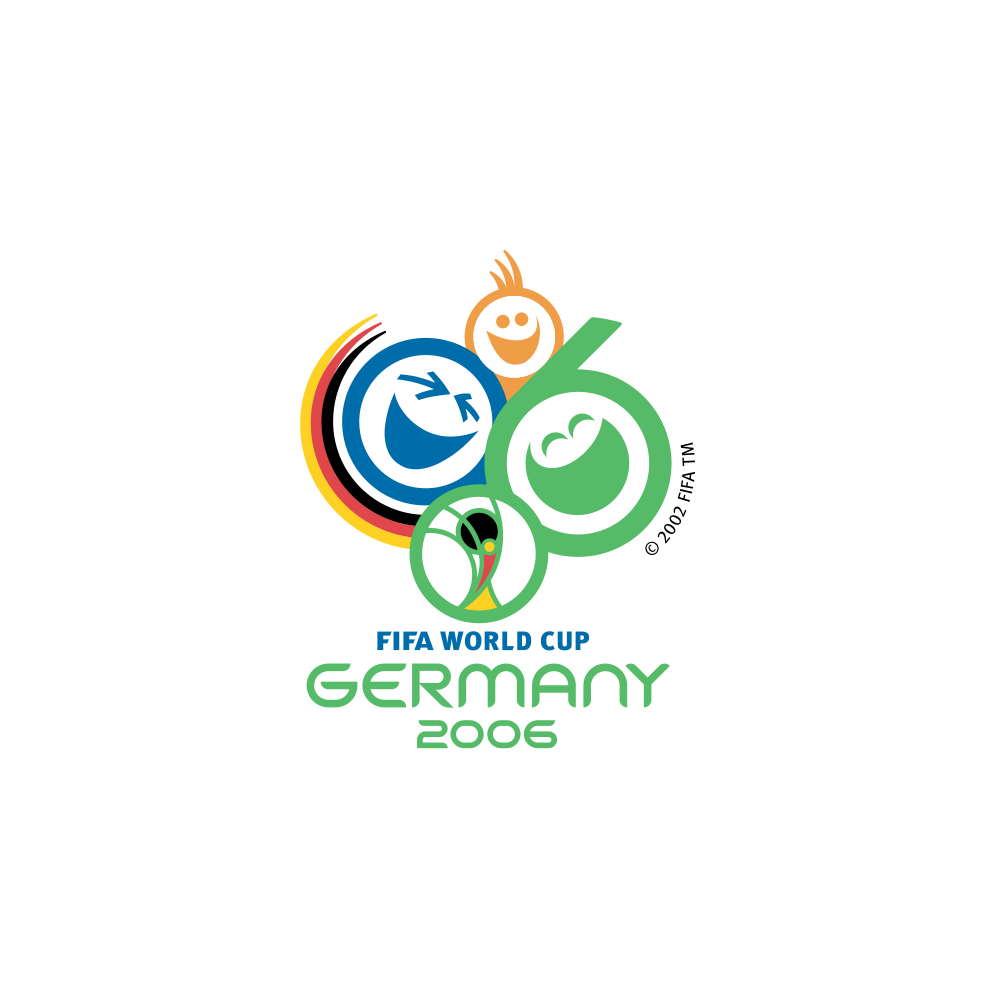
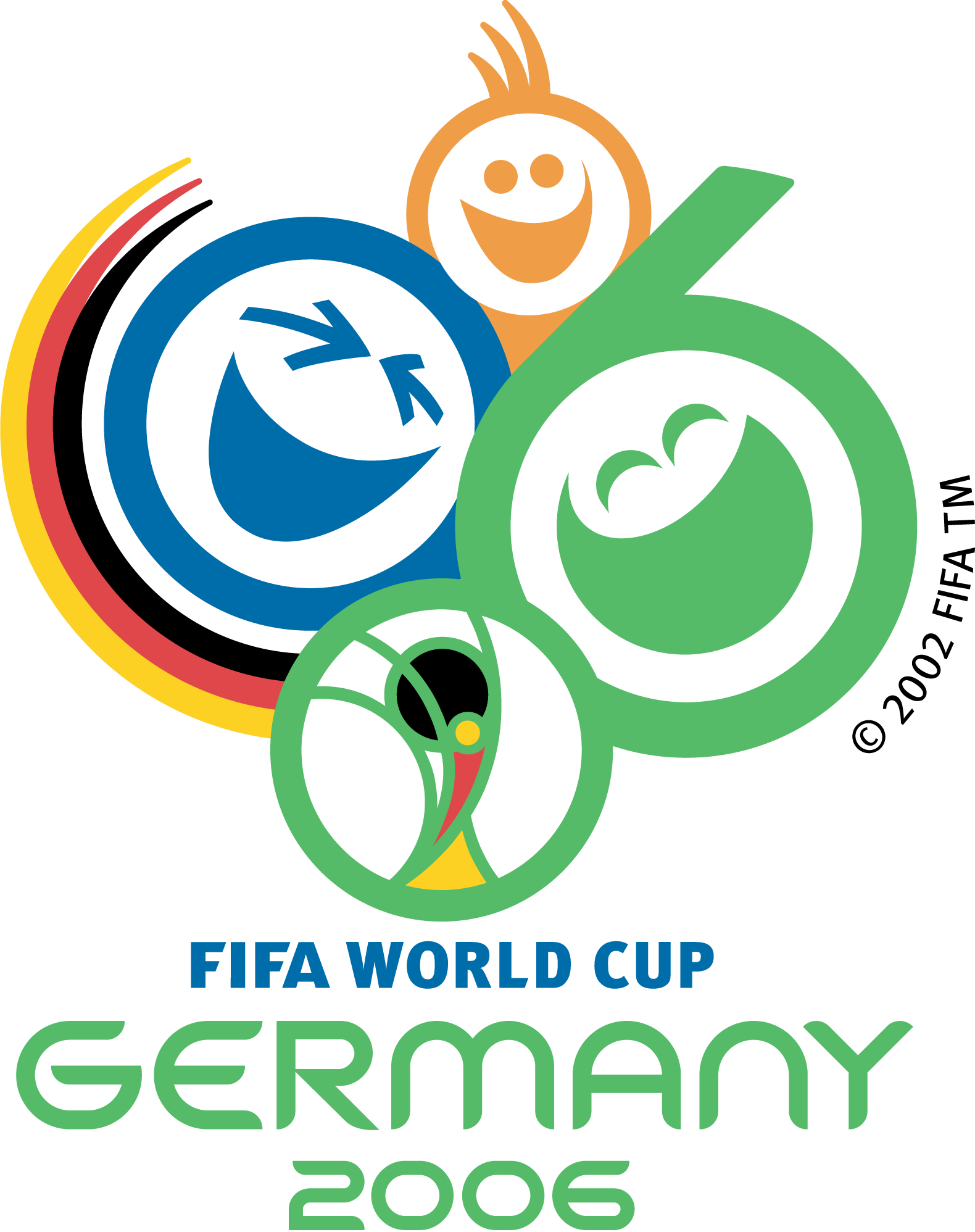
The 2006 FIFA World Cup logo served as the official visual identity for the tournament held in Germany. Crafted to represent the spirit of the event, the logo was prominently featured on official merchandise, promotional materials, tickets, broadcast graphics, signage, and digital platforms throughout the tournament year.
The emblem became widely recognised as a symbol of football passion, unity, and the vibrant cultural heritage of the host nation.
Design Meaning
The 2006 World Cup logo carries symbolic meaning tied to football and host identity:
- Unity and Celebration: The design represents the gathering of nations through sport, communicating international cooperation and competition.
- Dynamic Motion: Elements of the logo suggest movement and energy, capturing the excitement and rhythm of football matches.
- Host Nation Identity: The logo reflects the cultural character and visual style associated with the tournament’s setting in Germany — blending tradition with contemporary visual appeal.
Together, these attributes reinforced the tournament’s theme as a celebration of global sport and cultural exchange.
Color Philosophy
The colour palette of the 2006 World Cup logo was chosen for visibility, vibrancy, and emotional resonance:
- Bright and Bold Tones: Energetic colour choices conveyed passion, excitement, and inclusivity, suitable for a tournament that unites fans from many countries.
- Contrast and Impact: The selected colours ensured the logo remained highly visible and recognisable across television broadcasts, print materials, merchandise, and digital platforms.
These colour decisions helped the logo perform effectively in diverse environments while reinforcing a festive and welcoming atmosphere.
Usage Guide
To use the 2006 FIFA World Cup logo correctly and respectfully:
Logo Placement
- Maintain adequate clear space around the logo to ensure it stands out.
- Avoid placing the logo on backgrounds that make it hard to read or that clutter the visual field.
Size & Scaling
- Resize proportionally — do not stretch, distort, or warp the logo.
- Use high‑resolution files for digital applications and scalable formats for print or large displays to maintain clarity.
Colour Integrity
- Keep the original colours as designed; do not apply unapproved recolours or gradients.
- Ensure strong contrast between the logo and background for readability.
Restricted Uses
- Do not alter the logo’s elements, proportions, or typography.
- Do not combine the logo with other marks without authorised permission.
FAQs
1. What was the 2006 FIFA World Cup?
The 2006 FIFA World Cup was the 18th edition of the global men’s football championship tournament, hosted by Germany. It brought together national teams from around the world in a celebration of sport and competition.
2. What does the 2006 World Cup logo represent?
The logo represents global unity, the energy of football, and elements inspired by the culture and character of the host nation, embodying excitement and international inclusion.
3. Can I use the 2006 FIFA World Cup logo for my project?
Use of the official logo generally requires permission from the rights holders, especially for commercial or public use. Respect intellectual property and trademark rules when including this logo.
4. Are modifications allowed?
No. The logo should remain in its original form without changes to structure, colour, or proportions.
5. Which formats should I use?
For digital platforms, use high‑resolution formats. For print or large formats, use vector or scalable files to maintain visual quality at any size.